Our Best Friends and Aging

Screen Shot 2015-11-12 at 10.00.25 AM

Oxidative stress in dogs is a major cause of degenerative diseases such as arthritis and other ailments that plague aging animals. By definition, it is the destruction to cells caused by free radical molecules. Oxidation is a normal process that occurs everywhere in nature. It happens within the body every day, and it has an accumulative effect over the years. This is why so many diseases in humans and animals have their onset in middle and old age.

What Are The Effects Of Oxidative Stress In Dogs?

As a dog’s body ages, it is going through metabolic changes. Normal cell activity produces by-products that build up in the body like toxins. Destructive enzymes attack healthy cells. An excess of fat due to poor diet weakens the immune system. Free radicals disrupt the cell’s functions, preventing them from building vital tissues such as cartilage. As this is happening, there are also external stresses to a dog’s system. Pollution, chemicals and cigarette smoke all hasten the oxidative process.

The effects of oxidative stress in dogs’ bodies are significant. When the cells that build tissue are in a weakened state because of attack from free radicals, enzymes and other by-products of metabolism, they cannot perform their functions properly. They can no longer build the cartilage that cushions bones and keeps joints flexible. Arthritis sets in, and with it comes the pain and swelling that makes even ordinary activities difficult.

As oxidative stress increases with the years, a dog’s body starts to exhibit the signs of aging that we all recognize. The entire aging process, in fact, is due in large part to the effects of oxidation. Protecting your dog with antioxidant supplements is one of the measures that can be taken to safeguard him against the ravages of the oxidative process. Or you can have your beloved companion make his own antioxidants, something his body does since he was a puppy! While it is not possible to prevent aging, it is possible to lessen the painful effects of it.


Reducing oxidative stress in dogs may reduce many of the disorders associated with aging in canines – all common problems that profoundly affect their quality of life. These symptoms include disorientation, decreased social interaction, loss of prior house-training, sleep disturbances and decreased mobility.

If we want to keep our dogs happy and healthy, we must consider the benefits of antioxidants on oxidative stress which can be so detrimental to the health of our furry friends.

#nrf2, #oxidativestress, #bestfriends, #lovingcompanion, #healthandwellness

Chronic Inflammation

Screen Shot 2015-06-15 at 10.16.20 PM

Of the ten leading causes of mortality in the United States, chronic, low-level inflammation contributes to the pathogenesis of at least seven. These include heart disease, cancer, chronic lower respiratory disease, stroke, Alzheimer’s disease, diabetes, and nephritis (Centers for Disease Control and Prevention 2011)

Inflammation has classically been viewed as an acute (short term) response to tissue injury that produces characteristic symptoms and usually resolves spontaneously. More contemporary revelations show chronic inflammation to be a major factor in the development of degenerative disease and loss of youthful functions.

Chronic inflammation can be triggered by cellular stress and dysfunction, such as that caused by excessive calorie consumption, elevated blood sugar levels, and oxidative stress. The danger of chronic, low-level inflammation is that its silent nature belies its destructive power.

Chronic low-level inflammation may be threatening your health at this very moment. There are several risk factors which increase the likelihood of establishing and maintaining a low-level inflammatory response. These include:
Age. In contrast to younger individuals, older adults can have consistently elevated levels of several inflammatory molecules. These elevations are observed even in healthy older individuals. While the reasoning for this age-associated increase in inflammatory markers is not thoroughly understood, it may reflect cumulative mitochondrial dysfunction and oxidative damage, or may be the result of other risk factors associated with age.Obesity. Fat tissue is an endocrine organ, storing and secreting multiple hormones and cytokines into circulation and affecting metabolism throughout the body. General dietary over-consumption is a major contributor to inflammation and other detrimental age-related processes in the modern world.Diet. A diet high in saturated fat is associated with higher pro-inflammatory markers, particularly in diabetic or overweight individuals.Low sex hormones. Amongst their many roles in biology, sex hormones also modulate the immune/inflammatory response. The preservation of sex hormone levels is associated with reductions in the risk of several inflammatory diseases, including atherosclerosis, asthma in women, and rheumatoid arthritis in men.

Smoking. Cigarette smoke contains several inducers of inflammation, particularly reactive oxygen species.

While the incidence of inflammation and inflammatory disease is rising in all developed countries, it’s important to remember that each of us has an individual response to the stressors in our life. Some of that unique response is determined by genetics. But much of it is within our control — if we understand how our choices affect our health.

MAKE, NOT TAKE-How your body can protect itself from cellular stress.

Screen Shot 2015-06-10 at 11.00.27 AM

At the very center of our cellular protective pathway is a protein called “Nrf2” that serves as a “master regulator” of the body’s antioxidant response. You might think of Nrf2 as a “thermostat” within our cells that senses the level of oxidative stress and other stressors and turns on internal protective mechanisms.

Soon after Nrf2 was identified, a flurry of scientific discoveries began to show how Nrf2 also regulated genes involved in the production of a wide range of antioxidant enzymes (including SOD, glutathione, and catalase), and detoxification or ‘‘stress-response’’ genes. These protective pathways are involved in seemingly unrelated areas of health from immune function to tissue optimization to cognitive function – but they all share in common the Nrf2 “switch” that enables cells to protect themselves from both internal and external environmental challenges. In effect, Nrf2 activation enables our cells to make their own antioxidants to help us survive – and thrive – in stressful situations.


How does Nrf2 work?

When activated, Nrf2 turns on the production of specific antioxidants the body needs to fight cellular stress effectively. Certain phytochemicals (turmeric, ashwagandha, bacopa, green tea, and milk thistle) synergistically activate Nrf2. Turning on Nrf2 creates a cascading effect that results in the production of several very powerful antioxidants. These antioxidants do a much better job at combating cellular stress than dietary, vitamin or phytochemical source individually. Several antioxidant enzymes, including superoxide dismutase (SOD), glutathione, and catalase are activated through the Nrf2 pathway. Many scientists believe that Nrf2 activation is the “future” of cellular protection and health promotion, this foundation of naturally activating Nrf2 to “solve” the problem of cellular stress is a fundamentally different way of restoring balance in the body.

Nrf2 Pathway Is the Solution to Better Health and Performance

At present, it appears that all forms of exercise, both aerobic and anaerobic, possess the potential to result in increased cellular stress in both human and animal models.  Several factors appear to play a significant role in the exercise-induced cellular stress response including duration and intensity of exercise, as well as the training status and dietary intake of the subject population.

In the past, the relationship between exercise and oxidative stress has commonly been viewed as a detrimental phenomenon that should be reduced or eliminated in an effort to improve performance and/or health. While cellular stress certainly has the ability to result in physiological damage, perhaps leading to the development of ill-health and/or disease over time, an optimal level of antioxidants produced in our bodies may increase our defenses.

ANTIOXIDANT PILLS ARE NOT THE ANSWER!

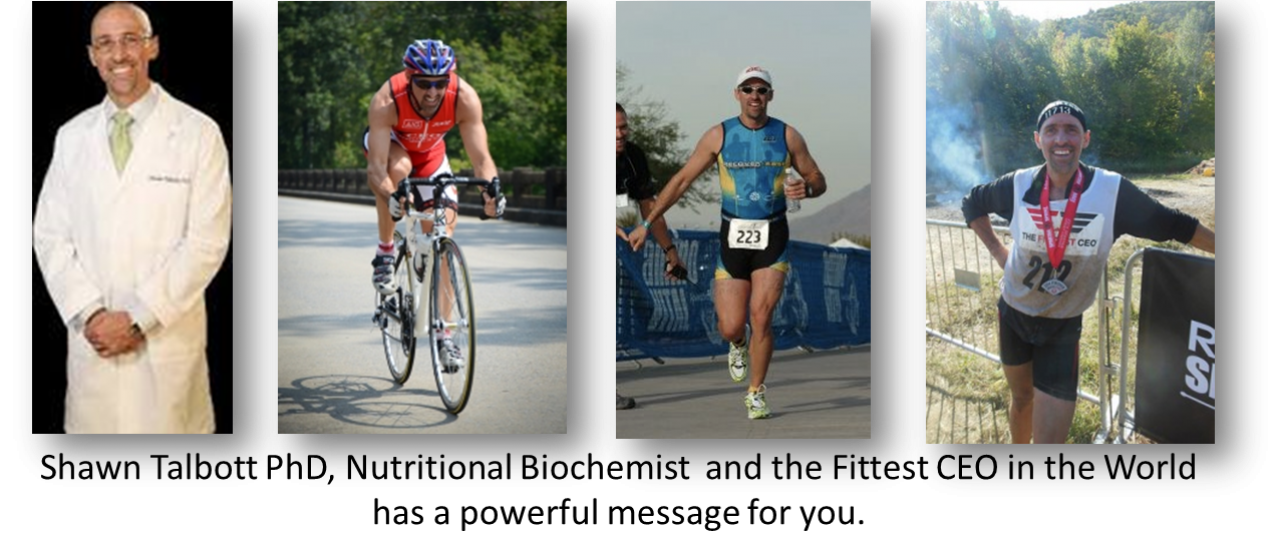
cropped-talbott-has-a-powerful-message.png

Could it be that the vitamin pills you think are protecting you are actually causing you harm by accelerating the aging process and even increasing cancer risk? In fact, a growing number of studies show that isolated, synthetic, high-dose antioxidant supplements—you know, the bottles of “multi” pills you get at the grocery store or even the health food store that contain vitamin E, selenium, and beta-carotene, among others—may have a dark and dangerous side.

We know that free radical damage is a real and growing menace to our bodies, threatening our cells, DNA, tissues and organs with inflammation and degradation and leading to a host of chronic diseases, including cancer, chronic fatigue, diabetes, arthritis, and heart disease. But there’s great news! Exciting new research is also demonstrating how the human body protects itself by turning on its own built-in and ultra-powerful antioxidant defense systems. Best-selling author and researcher Shawn Talbott, PhD, teaches the protective actions of the Nrf2 pathways and how they represent the true solution to less illness, better health, and an enhanced level of vitality and wellness you never thought possible! You can find out more at this site:  http://www.shawntalbott.com