Home-based Business Benefits

Screen Shot 2015-12-31 at 10.59.27 AM

Home-based businesses are quickly becoming the fastest growing form of business start-ups. Growing your company out of your home allows for flexibility that is difficult when renting or buying office and warehouse space. Although working at home requires self-discipline, the benefits can be substantial.

Americans spend an average of almost 50 minutes a day commuting to and from their offices. One of the best benefits of working in a home office is that commuting involves no more than a few steps to the spare room or the basement. I can work from my phone or tablet which allows me to be able to work from the ski slopes, while I taxi my children, or even while I am shopping! This allows me more time for revenue-producing activities.

The tax benefits of operating a home office can be lucrative. If your situation qualifies, you can deduct a portion of your home’s expenses, such as mortgage interest, property taxes, utilities and repairs and maintenance, against your business income. To qualify, your home office must be your principal place of business and you can only deduct the proportionate amounts of the total expense which are directly related to your business. Although you cannot create a loss with your home office expenses, you can carry them forward to future tax years if you do not have enough business income to use them up in the current year.

Being able to work at night or first thing in the morning is a great boon for those entrepreneurs who are juggling children or other obligations. Again, mobile phones and email allow you to interact with your customers at any time of the day or night. You can more easily accommodate customers in different time zones and kids’ school schedules.

Starting a business from your home allows you many freedoms and flexibilities to grow your business at your own pace. It also saves money on many fronts. All of this while allowing you more freedom to be with your family and more financial freedom.

Network marketing has provided me and my family incredible opportunities of financial growth and, even though my children are maturing quickly, we are able to have more family time. In fact, we are celebrating New Year’s Eve today by skiing together on a gorgeous, sunny day in Park City, Utah.

Wishing all of you a healthy and prosperous New Year! See you in 2016!

Stay Healthy During the Holidays

The holidays are fast approaching. And for many of us, this is the season not just for gifts and family get-togethers, but also for tossing our health right out the window. Between the late nights, the traveling, mounds of sugary fare, and buckets of seasonal stress, it’s really no wonder most us end up sick and several pounds heavier in the aftermath.

How To Stay Healthy During The Holidays

But it doesn’t have to be that way! There are lots of simple ways to celebrate the holidays to the fullest and still maintain your sanity and your health. To give you a place to start, here are 13 surefire tips to help you make it through this time of year with flying colors:


1. BE REALISTIC WITH YOURSELF

This goes for just about everything during the holidays, both mental and physical. Don’t plan to lose weight; instead plan to maintain your weight or limit your normal weight gain from five pounds to only three this year.

Setting small, attainable goals will allow you to enjoy the holidays without driving yourself crazy. This also goes for holiday scheduling. Instead of cramming in every activity, really think about your calendar and gracefully bow out of anything that you can avoid.

Your nerves and your family will thank you.

2. TAKE SMALL MEASURES TO PREVENT SICKNESS

Wash your hands. I cannot emphasize that enough since hand cleanliness is your first defense against sickness this season.

Beyond that, the little things are what will help you the most: cleaning surfaces in your kitchen (especially after cooking raw meat), carrying hand sanitizer when you travel, and remembering as much as possible to not touch your face.

It’s all in the basics, people.

3. MAKE TIME FOR EXERCISE

The holidays are a busy time, but that doesn’t mean you have to cut all exercise until after the New Year.

And it definitely doesn’t mean you should. Make time for simple athletic activities like skating, brisk walks, and winter sports. If you have a tight schedule, plan specific times to exercise to make sure you’ll remember.

And even if it’s a winter wonderland outside, you can still do simple core workouts at home and take the stairs instead of the elevator at the office.

4. TAKE IT EASY ON THE DRINKS

Hot chocolate, eggnog, and soda abound this time of year, but try as hard as you can to partake of holiday drinks in moderation.

Of all the things you’ll be consuming, drinks have the most calories and the most sugar too. Limit yourself to one or two specialty drinks a day and drink plenty of water to curb your appetite and stay hydrated.

All that sugar and carbonation won’t quench your thirst. And speaking of drinking . . .

5. DRINK ALCOHOL IN MODERATION

Lots of people overdo it on the holiday cocktails, so do what you must to take it easy.

Know how much alcohol you can handle, and decide before each party how much you’re going to drink. Drinking too much will wreak havoc on your blood sugar levels and also increase your chances of overeating and waking up with a hangover.

So pace yourself.

If you’re the type who doesn’t know how to stop drinking once you’ve started, it might be best to skip the champagne altogether.

6. BALANCE YOUR EATING

Being unhealthy isn’t about one unhealthy meal. It’s about eating unhealthy meals consistently.

Let’s face it: you’re going to overeat on occasion and you’re going to have too much sugar now and then. So attempt to balance out the bad with the good this season.

After a huge family party, eat eggs and oatmeal for breakfast and snack on raw vegetables throughout the day. Balancing your bad days with good days will give you the wiggle room to indulge every once in a while.

It’s when you pretend the indulgence days didn’t happen that you’ll have a problem.

7. BUDGET YOUR CALORIES FOR THE GOOD STUFF

Human beings can eat a limited number of calories each day without gaining weight (generally 2,000 per day for women and 2,500 for men).

With that in mind, you should be spending your calories on desserts that actually matter to you. Don’t waste stomach space and calorie-count on store-bought cookies or candy you don’t particularly care for.

Wouldn’t you much rather indulge in Aunt Florence’s homemade Christmas pudding? Prioritize your goodies this season and only go for the best.

8. TAKE TIME TO SAVOR

Many of us tend to stuff our faces with holiday food instead of truly enjoying what we’re eating. As a result, we end up eating much more than is necessary or wise. So take the time to slow down.

Survey your party buffet and fill your plate with smaller portions of only your favorite foods with a little room for fruits and vegetables.

Eat slow enough to savor your choices and you’ll end up eating much less in the long run.

9. PREVENT OVEREATING WITH SOME SIMPLE TIPS

Before each big holiday meal, drink a tall glass of water and chew some gum.

Popping a stick of gum in your mouth fifteen minutes before you hit the buffet will trick your brain into feeling satisfied so you’ll actually eat less.

Eating a mint between servings can also help since this gives your brain the time to pause and evaluate if you’re still hungry or not.

10. TRY OUT SOME HEALTHY COOKING

There are plenty of calorie-cutting tips and healthy holiday recipes online.

Experiment with making your favorite dishes a little healthier so the next time you have a family gathering, you can bring something that doesn’t cash out your entire calorie budget.

You can also be the one to bring fresh fruit to the party; trust me, you won’t be the only person relieved to see it there.

11. PAY ATTENTION TO YOUR BODY

With everything else going on, it can be easy to forget about your body’s basic needs. Take a moment to pause now and then and make sure you’re getting what you need.

Avoid skipping meals and drink plenty of water daily. If you’re coming down with an illness, cancel your plans and go to bed early. If you’re experiencing mental fog or chronic pain, don’t just push through hoping it will go away.

Calling your doctor now to set up an appointment later will put your mind at ease and help you enjoy the holidays much better.

12. MANAGE YOUR STRESS

It’s impossible to make healthy choices when you’re stressing about everything under the sun. So take steps to relax.

Know which aspects of the holiday season stress you out and how to combat those harried feelings. Are you losing sleep over those family Christmas cards you should have mailed out weeks ago? Create a family Christmas letter and post it on Facebook. Do you dread seeing your in-laws at Thanksgiving? Plan a relaxing date night with your spouse the day after.

Simplify, simplify, simplify, and if you can’t do anything else, take two minutes to stand alone in a room and breathe deeply.

13. FOCUS YOUR HOLIDAY ON MORE THAN JUST FOOD

We all know how big of a role treats play in our holiday traditions. With all that cookie making and eggnog drinking and peanut brittle chewing, it’s no wonder we all gain weight this time of year.

But remember, the real focus of the holidays should be fun and family. So make some room for celebrations that don’t involve sugar: trimming the tree, caroling, playing board games, enjoying holiday movies, taking the kids to see lights displays, and much more.

You don’t have to be eating to have a wonderful time together.

If you’re looking for one more great way to treat your body right this season, why not try a great nutritional supplement? Protandim from LifeVantage is the only supplement clinically proven to reduce oxidative stress by opening up your Nrf2 pathway. Protandim is a way to fight off free radicals in your body and allow all your systems to function at an optimal level all winter long. Here’s hoping you stay safe and healthy over the holidays!

Benefits of a Sunflower – Milk Thistle

Screen Shot 2015-11-11 at 9.03.46 AM

Milk thistle benefits are numerous, and it has been used to treat a variety of health conditions.  Most important is its role in strengthening and detoxifying the liver.

A member of the sunflower flower, its black seeds are harvested for medicinal use.  The active ingredient within these seeds is called silymarin, which is where the therapeutic benefits lie.

One of the main benefits is its antioxidant ability, which is more potent than most vitamins. Antioxidants are able to remove toxic chemicals called free radicals from the body.  These free radicals cause cell damage or oxidative stress which is the root of disease and premature aging.

Perhaps the most important milk thistle benefits are its effects on the liver.  The liver is one of the most important organs in the body, breaking down nutrients and cleaning the body out.  Milk thistle detoxifies the liver as well as protects it against damage from toxins, alcohol and other negative effects.

It also benefits the liver by promoting regeneration and repair of liver cells, reversing liver damage and is very helpful in the treatment of hepatitis and cirrhosis.

Some milk thistle clinical trials show that benefits may include reducing inflammation, decreasing excessive skin cell growth and helping treat endometriosis. Milk thistle benefits may be able to improve your health.  Be sure to find a quality product and consult a physician before you start supplementation.

Polyphenol-Rich Juices May Help Lower Blood Pressure

Screen Shot 2015-11-10 at 10.59.21 AM

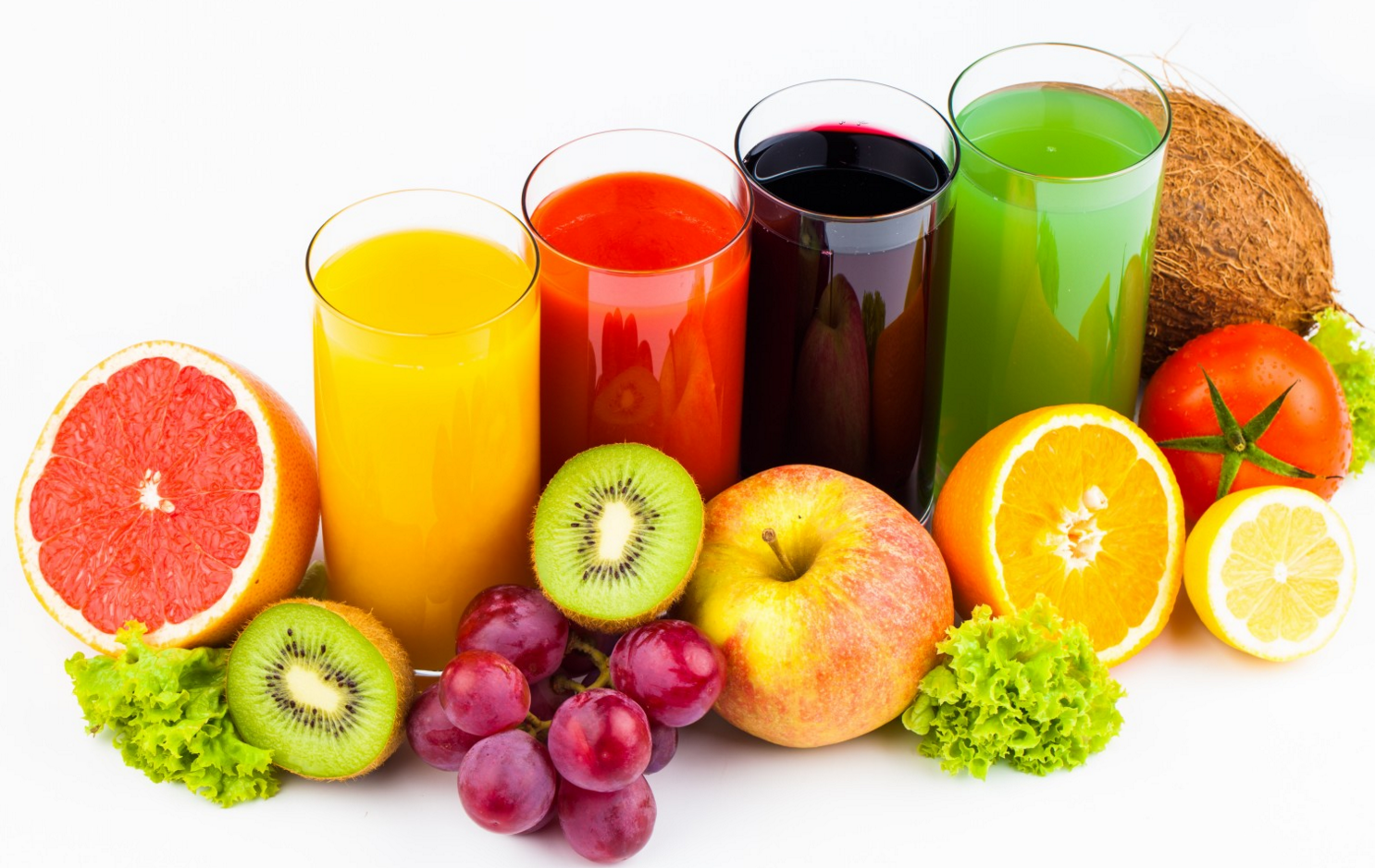
Did you know that intake of fruits and berries may lower blood pressure (BP), most likely due to the high content of polyphenols? In a study published in the British Journal of Nutrition researchers tested whether consumption of two polyphenol-rich juices could lower BP.

In a randomized, double-blinded, placebo-controlled trial of 12 weeks, 134 healthy individuals, aged 50-70 years, with high-normal range BP or stage 1-2 hypertension were included. They consumed 500ml/d of one of either (1) a commercially available polyphenol-rich juice based on red grapes, cherries, chokeberries and bilberries; (2) a juice similar to (1) but enriched with polyphenol-rich extracts or (3) a placebo juice. Resting BP was measured three times-baseline, mid-study, and then after 12 weeks of intervention.

Compared to the placebo group, systolic BP significantly reduced over time in the participants who had polyphenol-rich juice. Researchers concluded findings suggest that polyphenol-rich berry juice may have a BP lowering effect, especially in patients with hypertension versus patients with normal BP.

How to take advantage of dietary polyphenols’ benefits for lowering blood pressure

Berries freeze well and can be enjoyed all year long in smoothies, in yogurt, and in salads. The internet is a great resource for hot or iced hibiscus tea recipes. And don’t forget to indulge in polyphenol-rich exotic spices, pomegranate juice, and dark chocolate for your heart health.

But to really make a significant ding in your BP, you need to adopt some sturdier pressure-easing habits in addition to  enjoying the juice benefits:

  • Ease up on the salt.
  • Think thin. If you are overweight or obese, your blood pressure is likely to creep up.
  • Keep it friendly. Nurturing friendships can do wonders for your blood pressure.
  • Walk it out. A foot-minded lifestyle is great for your heart and your arteries.

An Athlete’s Point of View

Screen Shot 2015-09-03 at 12.33.50 PMThis is my friend, Elite Athlete, Nick Baumgartner.

Snow: US Olympic Snowboarder, X Games Gold & Silver Medalist

Dirt: Pro Motor Sports Athlete, Stadium SUPER Trucks Series, TORC Series Pro-Light Driver, Baja 1000

Per Nick – “I want to introduce you all to a product I started taking this winter that allows my body to perform and recover like it did when I was a younger athlete. I also want to let you know that this company doesn’t sponsor me or pay me to say or validate anything. First I did the research, and then started taking the product and I believe that everyone will benefit by adding this to his or her daily regiment. It’s an all-natural, daily supplement that of course is Certified Athlete Safe, which was huge for me – and it will allow me to continue to train harder and harder so I can keep up with the young guns in my sport for years to come. What sidelines most athletes and forces them to retire is they need to train harder and harder to keep up and unfortunately the aging body can’t recover fast enough. Until Now! This product is proven to reduce the cause of this aging by an average of 40% in a month! Don’t just take my word for it – ABC News explains this in an ABC Primetime show. I truly believe Protandim will make it possible for my body to recover from all the damage caused by the intense training as well as everyday life. You watch, I expect to be 40 and still competing at the elite level, but don’t wait till then to take my advice and give this a try. Get on it now, and stop the damage your doing to your body everyday. Go to www.aBetterLifeStartsnow.com and watch ABC explain this.

This product isn’t just for athletes and ABC News starts to explain the diseases this technology helps including Autoimmune Diseases, Heart Disease, Diabetes, Parkinson’s, Depression, Effects of Radiation…the list goes on and on and LifeVantage has the science to prove that it works, and the patents to protect us from competition. And the timing – everyone wants a natural way to be healthy and a way to stay young.

I am excited to share this with you all and now that I know it really works, I’m super excited to build a business by helping people get healthier and compete stronger longer. Snowboarding has not made me enough money, I’ve had to work in the summers and further destroy my body trading hours for a paycheck. LifeVantage Opportunity is helping change my life so that I can focus on my son and my training!”

If you have questions regarding this opportunity or product line, please feel free to contact me at denisemariechesne@gmail.com

Nrf2 Activation and Bolstering Antioxidant Defenses in Diabetes

Diabetes mellitus is a common metabolic disorder with severe complications and the population suffering from this disease has been increasing.  It has been noted that oxidative stress conditions in the body are correlated with impairment of blood glucose regulation.

Screen Shot 2015-07-15 at 2.06.27 PM

In particular, findings suggest to us that oxidative stress in pancreatic islets plays an important role in the cause and/or progression of diabetes mellitus. Indeed, hyperglycemia-mediated oxidative stress appears to be involved in various diabetic complications and is actually increased in diabetes patients. Thus, the roles played by Nrf2  in the pathogenesis (cause) of diabetes mellitus and in the development of its complications have emerged as important research topics.

http://diabetes.diabetesjournals.org/content/60/11/2683.full

Activating Nrf2

Screen Shot 2015-06-22 at 3.19.22 PM

Nrf2 is a powerful protein that is latent within each cell in the body, unable to move or operate until it is released by an Nrf2 activator. Once released it migrates into the cell nucleus and bonds to the DNA at the location of the Antioxidant Response Element (ARE) which is the master regulator of the total antioxidant system that is available in ALL human cells.

It turns out that a variety of phytonutrients are powerful activators of the Nrf2 pathway. While not necessarily rich in antioxidants, they directly and dramatically amplify our innate ability to produce vast antioxidant protection by signaling our DNA. In this way, specific molecules from Nrf2 activating plant-derived bioactives can trigger the production of thousands of antioxidant molecules, providing far better protection against the cell-damaging effects of free radicals compared to standard antioxidant supplement.

Other NRF2 resources:
Pubmed.gov http://www.ncbi.nlm.nih.gov/pubmed?term=nrf2
Google scholarly NRF2 Articles: http://scholar.google.com/scholar?q=NRF2

Nrf2 Endurance

Screen Shot 2015-06-22 at 3.10.00 PM

Are you born to run?  It does not matter if you are a professional athlete or just a weekend warrior, we all want to improve our performance. A research study conducted by Physiological Genomics shows the role of NRF2 in high endurance athletic activity.

 The study discovered that elite endurance athletes such as marathon runners and high endurance athletes were more likely to have higher levels of  NRF2  than elite sprinters. Even those that would not be considered elite endurance athletes showed higher NRF2 genetic variations when compared to sprinters, although the difference was not as stark.

 Future studies will need to be undertaken to establish a cause-effect relationship. Does the existence of higher NRF2 activation improve athletic performance or vice versa?

 The researchers of this particular study investigated  NRF2 because they followed previous studies which have shown that NRF2 may play a role in endurance performance for the following reasons:

  • Nrf2 helps produce new mitochondria. Mitochondria are key cellular structures that produces energy within the cells.

  • Nrf2 is a powerful reducer of the harmful side effects of oxidation and inflammation, which increases during exercise. What was interesting in this study is that it seems to indicate that NRF2 protects the body more from the higher strain and damage caused by the increased oxidative stress and inflammatory response that occurs with acute exercise.

The Study:
This study closely examined 155 elite track and field athletes. These athletes had competed in either national or international track and field competitions. The group was divided into either an endurance group (10,000 meters and marathon runners) or a sprint group (100- and 200-meter and long jump). The control group consisted of 240 non-athletic healthy individuals.

The study discovered that in particular, two variations in  NRF2 occurred more often in endurance athletes than in sprinters.

“So,” concludes Eynon (the researcher in this study), “some of us are truly born to run.”

For more information on the NRF2 Endurance Study: http://jap.physiology.org/content/107/1/76.full

Chronic Inflammation

Screen Shot 2015-06-15 at 10.16.20 PM

Of the ten leading causes of mortality in the United States, chronic, low-level inflammation contributes to the pathogenesis of at least seven. These include heart disease, cancer, chronic lower respiratory disease, stroke, Alzheimer’s disease, diabetes, and nephritis (Centers for Disease Control and Prevention 2011)

Inflammation has classically been viewed as an acute (short term) response to tissue injury that produces characteristic symptoms and usually resolves spontaneously. More contemporary revelations show chronic inflammation to be a major factor in the development of degenerative disease and loss of youthful functions.

Chronic inflammation can be triggered by cellular stress and dysfunction, such as that caused by excessive calorie consumption, elevated blood sugar levels, and oxidative stress. The danger of chronic, low-level inflammation is that its silent nature belies its destructive power.

Chronic low-level inflammation may be threatening your health at this very moment. There are several risk factors which increase the likelihood of establishing and maintaining a low-level inflammatory response. These include:
Age. In contrast to younger individuals, older adults can have consistently elevated levels of several inflammatory molecules. These elevations are observed even in healthy older individuals. While the reasoning for this age-associated increase in inflammatory markers is not thoroughly understood, it may reflect cumulative mitochondrial dysfunction and oxidative damage, or may be the result of other risk factors associated with age.Obesity. Fat tissue is an endocrine organ, storing and secreting multiple hormones and cytokines into circulation and affecting metabolism throughout the body. General dietary over-consumption is a major contributor to inflammation and other detrimental age-related processes in the modern world.Diet. A diet high in saturated fat is associated with higher pro-inflammatory markers, particularly in diabetic or overweight individuals.Low sex hormones. Amongst their many roles in biology, sex hormones also modulate the immune/inflammatory response. The preservation of sex hormone levels is associated with reductions in the risk of several inflammatory diseases, including atherosclerosis, asthma in women, and rheumatoid arthritis in men.

Smoking. Cigarette smoke contains several inducers of inflammation, particularly reactive oxygen species.

While the incidence of inflammation and inflammatory disease is rising in all developed countries, it’s important to remember that each of us has an individual response to the stressors in our life. Some of that unique response is determined by genetics. But much of it is within our control — if we understand how our choices affect our health.

MAKE, NOT TAKE-How your body can protect itself from cellular stress.

Screen Shot 2015-06-10 at 11.00.27 AM

At the very center of our cellular protective pathway is a protein called “Nrf2” that serves as a “master regulator” of the body’s antioxidant response. You might think of Nrf2 as a “thermostat” within our cells that senses the level of oxidative stress and other stressors and turns on internal protective mechanisms.

Soon after Nrf2 was identified, a flurry of scientific discoveries began to show how Nrf2 also regulated genes involved in the production of a wide range of antioxidant enzymes (including SOD, glutathione, and catalase), and detoxification or ‘‘stress-response’’ genes. These protective pathways are involved in seemingly unrelated areas of health from immune function to tissue optimization to cognitive function – but they all share in common the Nrf2 “switch” that enables cells to protect themselves from both internal and external environmental challenges. In effect, Nrf2 activation enables our cells to make their own antioxidants to help us survive – and thrive – in stressful situations.


How does Nrf2 work?

When activated, Nrf2 turns on the production of specific antioxidants the body needs to fight cellular stress effectively. Certain phytochemicals (turmeric, ashwagandha, bacopa, green tea, and milk thistle) synergistically activate Nrf2. Turning on Nrf2 creates a cascading effect that results in the production of several very powerful antioxidants. These antioxidants do a much better job at combating cellular stress than dietary, vitamin or phytochemical source individually. Several antioxidant enzymes, including superoxide dismutase (SOD), glutathione, and catalase are activated through the Nrf2 pathway. Many scientists believe that Nrf2 activation is the “future” of cellular protection and health promotion, this foundation of naturally activating Nrf2 to “solve” the problem of cellular stress is a fundamentally different way of restoring balance in the body.