

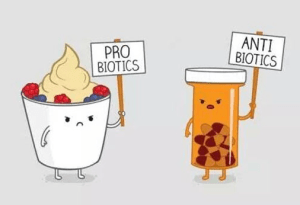
Bacteria have a reputation for causing disease, so the idea of tossing down a few billion a day for your health might seem — literally and figuratively — hard to swallow. But a growing body of scientific evidence suggests that you can treat and even prevent some illnesses with foods and supplements containing certain kinds of live bacteria.
Probiotics are live bacteria that help the body absorb nutrients and maintain the right balance of helpful bacteria. An estimated 100 trillion microorganisms representing more than 500 different species inhabit every normal, healthy bowel. These microorganisms (or microflora) generally don’t make us sick; most are helpful. Gut-dwelling bacteria keep pathogens (harmful microorganisms) in check, aid digestion and nutrient absorption, and contribute to immune function.
When the digestive tract is healthy, it filters out and eliminates things that can damage it, such as harmful bacteria, toxins, chemicals, and other waste products. The healthy balance of bacteria assists with the regulation of gastrointestinal motility and maintenance of gut barrier function.
The other way that probiotics help is the impact that they have on our immune system. Some believe that this role is the most important. Our immune system is our protection against germs. When it doesn’t function properly, we can suffer from allergic reactions, autoimmune disorders , and infections . By maintaining the correct balance from birth, the hope would be to prevent these ailments. Our immune system can benefit anytime that balanced is restored, so it’s never too late.
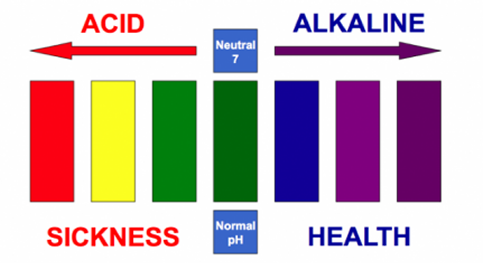
Research into the benefits of probiotics has been branching out, and new areas are emerging. Preliminary research has linked probiotics to supporting the health of the reproductive tract, oral cavity, lungs, and the prevention and treatment of obesity and type 1 and type 2 diabetes. A January 2016 article published in a Dermatology Journal stated, “The body of evidence demonstrating the beneficial effects of probiotics on the skin continues to grow in the published literature. Insights into their effects at the molecular level, in animal models, and in human clinical trials build the case for their role in slowing the skin manifestations of both intrinsic and extrinsic aging. The reports reviewed in this manuscript demonstrate that probiotics can restore acidic skin pH, alleviate oxidative stress, attenuate photoaging, improve skin barrier function, and enhance hair quality.”
Side effects are rare, and most healthy adults can safely add foods that contain probiotics to their diets. If you’re considering taking supplements, check with your doctor to be sure that they’re right for you.






 healthmogul
Recent Comments