Nrf2 Activation and Bolstering Antioxidant Defenses in Diabetes

Diabetes mellitus is a common metabolic disorder with severe complications and the population suffering from this disease has been increasing.  It has been noted that oxidative stress conditions in the body are correlated with impairment of blood glucose regulation.

Screen Shot 2015-07-15 at 2.06.27 PM

In particular, findings suggest to us that oxidative stress in pancreatic islets plays an important role in the cause and/or progression of diabetes mellitus. Indeed, hyperglycemia-mediated oxidative stress appears to be involved in various diabetic complications and is actually increased in diabetes patients. Thus, the roles played by Nrf2  in the pathogenesis (cause) of diabetes mellitus and in the development of its complications have emerged as important research topics.

http://diabetes.diabetesjournals.org/content/60/11/2683.full

Activating Nrf2

Screen Shot 2015-06-22 at 3.19.22 PM

Nrf2 is a powerful protein that is latent within each cell in the body, unable to move or operate until it is released by an Nrf2 activator. Once released it migrates into the cell nucleus and bonds to the DNA at the location of the Antioxidant Response Element (ARE) which is the master regulator of the total antioxidant system that is available in ALL human cells.

It turns out that a variety of phytonutrients are powerful activators of the Nrf2 pathway. While not necessarily rich in antioxidants, they directly and dramatically amplify our innate ability to produce vast antioxidant protection by signaling our DNA. In this way, specific molecules from Nrf2 activating plant-derived bioactives can trigger the production of thousands of antioxidant molecules, providing far better protection against the cell-damaging effects of free radicals compared to standard antioxidant supplement.

Other NRF2 resources:
Pubmed.gov http://www.ncbi.nlm.nih.gov/pubmed?term=nrf2
Google scholarly NRF2 Articles: http://scholar.google.com/scholar?q=NRF2

Nrf2 Endurance

Screen Shot 2015-06-22 at 3.10.00 PM

Are you born to run?  It does not matter if you are a professional athlete or just a weekend warrior, we all want to improve our performance. A research study conducted by Physiological Genomics shows the role of NRF2 in high endurance athletic activity.

 The study discovered that elite endurance athletes such as marathon runners and high endurance athletes were more likely to have higher levels of  NRF2  than elite sprinters. Even those that would not be considered elite endurance athletes showed higher NRF2 genetic variations when compared to sprinters, although the difference was not as stark.

 Future studies will need to be undertaken to establish a cause-effect relationship. Does the existence of higher NRF2 activation improve athletic performance or vice versa?

 The researchers of this particular study investigated  NRF2 because they followed previous studies which have shown that NRF2 may play a role in endurance performance for the following reasons:

  • Nrf2 helps produce new mitochondria. Mitochondria are key cellular structures that produces energy within the cells.

  • Nrf2 is a powerful reducer of the harmful side effects of oxidation and inflammation, which increases during exercise. What was interesting in this study is that it seems to indicate that NRF2 protects the body more from the higher strain and damage caused by the increased oxidative stress and inflammatory response that occurs with acute exercise.

The Study:
This study closely examined 155 elite track and field athletes. These athletes had competed in either national or international track and field competitions. The group was divided into either an endurance group (10,000 meters and marathon runners) or a sprint group (100- and 200-meter and long jump). The control group consisted of 240 non-athletic healthy individuals.

The study discovered that in particular, two variations in  NRF2 occurred more often in endurance athletes than in sprinters.

“So,” concludes Eynon (the researcher in this study), “some of us are truly born to run.”

For more information on the NRF2 Endurance Study: http://jap.physiology.org/content/107/1/76.full

Vibrant Health Begins With pH Balance

Screen Shot 2015-06-21 at 6.56.23 PM

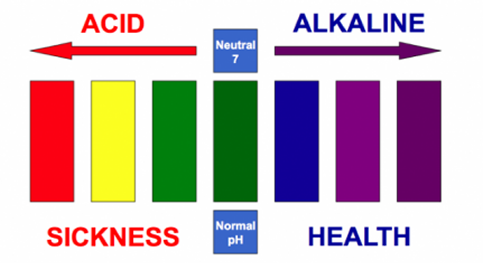
The blood, the fluids and all the delicate tissues in our body must remain alkaline for us to experience truly vibrant health and energy. Many of us have a diet and lifestyle that has become extremely acidic. The foods we eat on a regular basis are acid-forming, such as pasteurized dairy products, poultry, meat, trans fats, cooked oils, baked goods and refined sugars. Beverages such as coffee, tea, pasteurized juices, milk, and carbonated drinks are very acidic. Drugs, stress and anxiety all contributing to an acid over-load.  When you become too acidic, thus out of pH balance, your body becomes stressed and vulnerable to a whole host of health problems. You may experience low energy, fatigue, excess weight, poor digestion, aches and pains, and even more serious disorders. The process of rebalancing your body begins with proper diet and nutrition. This includes eating alkalizing foods, hydrating properly and integrating proper nutritional supplementation.

A major factor in the formation of chronic inflammation is the presence of free radicals occurring in greater abundance than the body’s ability to remove them, frequently referred to as oxidative stress. Free radical molecules have lost one of their electrons, are very unstable and will “steal” an electron from other cells in the area. In turn, the next molecule becomes an unstable free radical starting a cascade of events that further damages areas of injury. The body produces antioxidant enzymes designed to quench these free radicals. Antioxidants are substances that are termed “givers” because they donate an extra electron which stabilizes the free radical and prevents it from damaging other cells. But if we have too many free radicals our body cannot keep up and inflammation increases and our healing process becomes impaired

The acid-alkaline balance relates to the chemistry of the body’s fluids and tissues as measured by pH. The cells of the body must have a slightly alkaline environment to survive. With a blood pH of 7.365 the cells are in homeostasis and they receive nourishment and release waste with ease. But when we eat, drink and live an acidic lifestyle, our cells and the inner environment become toxic. Our diet and lifestyle choices will either help or harm the delicate pH balance and our overall health. Even a minor fluctuation in the blood’s pH in either direction creates distress signals in the body causing various symptoms that start out small then ramp up as the imbalance continues. Everything from a runny nose to skin eruptions, heartburn, eczema, inflammation, arthritis, poor circulation, chronic fatigue, irritable bowel syndrome, a weakened immune system to the chronic diseases of aging can be tracked back in some way to an acidic inner terrain.

Arthur Guyton, M.D., in his Textbook of Medical Physiology dedicated an entire chapter on this concept and stated that when the body is alkaline it converts free radicals to harmless water and oxygen which maintains energy and vitality. Our body needs alkaline minerals in order to function properly, and since the body cannot make them we must get them from our diet and supplements. Primary alkaline minerals like calcium, magnesium, and potassium are used by our body to make enzymes, proteins, hormones and neurotransmitters necessary for good health.  A healthy alkaline diet stores your body up with plenty of alkaline mineral reserves, while an excessively acidic diet eventually drains all the alkaline reserves and forces the body to use its own alkaline minerals to neutralize acids in order to keep your blood pH at an alkaline level. One of the ways it does this is by robbing alkaline minerals from our bones, teeth, muscles and organs.  The biggest problem with losing alkaline minerals is losing calcium from bones and magnesium from muscles and organs.

The ultimate goal is balance. So it can’t hurt to think twice about what’s on your plate at your next meal, but not doing so might threaten your health and well-being. When your body is pH balanced, it is full of vitality. You will find that you have increased energy, mental clarity, and glowing, healthy skin. Here is what to avoid:

• Ingestion of Acids (acidic diet)

• Creation of Acids (toxicity and stress)

• Improper elimination of Acids (mineral depletion)

The good news is that if you’ve suffered the negative impact of an overly acidic body, you can regain your health balance through proper diet and nutrition. This includes eating alkalizing foods, hydrating properly and integrating proper nutritional supplementation.

Chronic Inflammation

Screen Shot 2015-06-15 at 10.16.20 PM

Of the ten leading causes of mortality in the United States, chronic, low-level inflammation contributes to the pathogenesis of at least seven. These include heart disease, cancer, chronic lower respiratory disease, stroke, Alzheimer’s disease, diabetes, and nephritis (Centers for Disease Control and Prevention 2011)

Inflammation has classically been viewed as an acute (short term) response to tissue injury that produces characteristic symptoms and usually resolves spontaneously. More contemporary revelations show chronic inflammation to be a major factor in the development of degenerative disease and loss of youthful functions.

Chronic inflammation can be triggered by cellular stress and dysfunction, such as that caused by excessive calorie consumption, elevated blood sugar levels, and oxidative stress. The danger of chronic, low-level inflammation is that its silent nature belies its destructive power.

Chronic low-level inflammation may be threatening your health at this very moment. There are several risk factors which increase the likelihood of establishing and maintaining a low-level inflammatory response. These include:
Age. In contrast to younger individuals, older adults can have consistently elevated levels of several inflammatory molecules. These elevations are observed even in healthy older individuals. While the reasoning for this age-associated increase in inflammatory markers is not thoroughly understood, it may reflect cumulative mitochondrial dysfunction and oxidative damage, or may be the result of other risk factors associated with age.Obesity. Fat tissue is an endocrine organ, storing and secreting multiple hormones and cytokines into circulation and affecting metabolism throughout the body. General dietary over-consumption is a major contributor to inflammation and other detrimental age-related processes in the modern world.Diet. A diet high in saturated fat is associated with higher pro-inflammatory markers, particularly in diabetic or overweight individuals.Low sex hormones. Amongst their many roles in biology, sex hormones also modulate the immune/inflammatory response. The preservation of sex hormone levels is associated with reductions in the risk of several inflammatory diseases, including atherosclerosis, asthma in women, and rheumatoid arthritis in men.

Smoking. Cigarette smoke contains several inducers of inflammation, particularly reactive oxygen species.

While the incidence of inflammation and inflammatory disease is rising in all developed countries, it’s important to remember that each of us has an individual response to the stressors in our life. Some of that unique response is determined by genetics. But much of it is within our control — if we understand how our choices affect our health.

MAKE, NOT TAKE-How your body can protect itself from cellular stress.

Screen Shot 2015-06-10 at 11.00.27 AM

At the very center of our cellular protective pathway is a protein called “Nrf2” that serves as a “master regulator” of the body’s antioxidant response. You might think of Nrf2 as a “thermostat” within our cells that senses the level of oxidative stress and other stressors and turns on internal protective mechanisms.

Soon after Nrf2 was identified, a flurry of scientific discoveries began to show how Nrf2 also regulated genes involved in the production of a wide range of antioxidant enzymes (including SOD, glutathione, and catalase), and detoxification or ‘‘stress-response’’ genes. These protective pathways are involved in seemingly unrelated areas of health from immune function to tissue optimization to cognitive function – but they all share in common the Nrf2 “switch” that enables cells to protect themselves from both internal and external environmental challenges. In effect, Nrf2 activation enables our cells to make their own antioxidants to help us survive – and thrive – in stressful situations.


How does Nrf2 work?

When activated, Nrf2 turns on the production of specific antioxidants the body needs to fight cellular stress effectively. Certain phytochemicals (turmeric, ashwagandha, bacopa, green tea, and milk thistle) synergistically activate Nrf2. Turning on Nrf2 creates a cascading effect that results in the production of several very powerful antioxidants. These antioxidants do a much better job at combating cellular stress than dietary, vitamin or phytochemical source individually. Several antioxidant enzymes, including superoxide dismutase (SOD), glutathione, and catalase are activated through the Nrf2 pathway. Many scientists believe that Nrf2 activation is the “future” of cellular protection and health promotion, this foundation of naturally activating Nrf2 to “solve” the problem of cellular stress is a fundamentally different way of restoring balance in the body.

Staying healthful with a busy schedule

Screen Shot 2015-06-02 at 2.01.19 PM

Got a busy schedule? It can have its perks. You can get so much done. But one of the downsides is trying to keep it all together when you’re being pulled in several different directions. It’s like a tug-of-war going on inside your head. Check out these seven tricks to staying focused and feeling energized while keeping all the balls you’re juggling in the air.

  1. Sleep

How much sleep are you getting each night? If you’re like most people, you’re running on five or six hours—not nearly enough. The rule of thumb for adults is at least seven hours, eight if you can get it, but everyone’s sleep needs are a little different. Pay attention to how you feel in mind and body on different amounts of sleep. Also, adjust for sleep debt. If you’ve been running on fumes for a while, and you know you feel good with seven hours of sleep, you might need to make good in the deprivation department before seven feels right again.

  1. Take Breaks

At least every hour, give yourself a break from whatever you’re working on. Take 10 minutes for a brisk walk, grab some water, do a little yoga, or even read a blog or book. Just something to take your mind off the task at hand and let you re-focus.

  1. Hydrate

It’s a fact: Water makes you smarter. Brain cells depend on water to function, and when you’re dehydrated, your brain becomes less efficient. Water affects focus, short-term memory, and long-term memory, even math—whether you’re solving a complicated equation or simply planning for what time you need to leave to make your flight. Adults in the U.S. on average drink less than 32 ounces a day, but the average adult loses 80 ounces of water every day just by breathing, sweating, and eliminating waste. So if you’re drinking less than 80 ounces of water a day, your brain might feel a little less sharp.

  1. Exercise

Breaking a sweat does as much for your mind as it does your body. Every time you exercise, you feed your brain and muscles with oxygen, increasing your energy and your mental focus while releasing tension and stress. Some studies show that mental focus and IQ performance improve for a full two hours after a workout.

  1. Train Your Brain

If you’re not used to focusing, it can take practice. Don’t worry; you can make a comeback from attention-span atrophy. Start by doing mental tasks like reading, playing strategy games, or writing for longer and longer periods of time, the same as you would if you were training for physical endurance. Teach yourself to go longer by adding time (even if it’s just five minutes) to what you feel your limit is. Read a few more pages. Work a few more problems. Write one more paragraph. Just like an athlete, you might even get a second wind.

  1. Feed Your Mind

Eat high-energy foods that burn slowly, and your body and mind will help you achieve sustained energy and extended mental focus. Foods like oatmeal, trail mix, and fruit are good choices. Refined sugars and simple carbs are not. The initial sugar high will be followed by a crash as the energy quickly burns off that can leave you leave you feeling drained.

  1. Unwind

Meditate, relax in a bath, do a craft, read a book, shoot some hoops—do whatever allows your mind the chance to unwind. It’s a gift to your mind and your body, and it’s the thing that allows you to take on another day refreshed and energized.

Nrf2 Pathway Is the Solution to Better Health and Performance

At present, it appears that all forms of exercise, both aerobic and anaerobic, possess the potential to result in increased cellular stress in both human and animal models.  Several factors appear to play a significant role in the exercise-induced cellular stress response including duration and intensity of exercise, as well as the training status and dietary intake of the subject population.

In the past, the relationship between exercise and oxidative stress has commonly been viewed as a detrimental phenomenon that should be reduced or eliminated in an effort to improve performance and/or health. While cellular stress certainly has the ability to result in physiological damage, perhaps leading to the development of ill-health and/or disease over time, an optimal level of antioxidants produced in our bodies may increase our defenses.

ANTIOXIDANT PILLS ARE NOT THE ANSWER!

cropped-talbott-has-a-powerful-message.png

Could it be that the vitamin pills you think are protecting you are actually causing you harm by accelerating the aging process and even increasing cancer risk? In fact, a growing number of studies show that isolated, synthetic, high-dose antioxidant supplements—you know, the bottles of “multi” pills you get at the grocery store or even the health food store that contain vitamin E, selenium, and beta-carotene, among others—may have a dark and dangerous side.

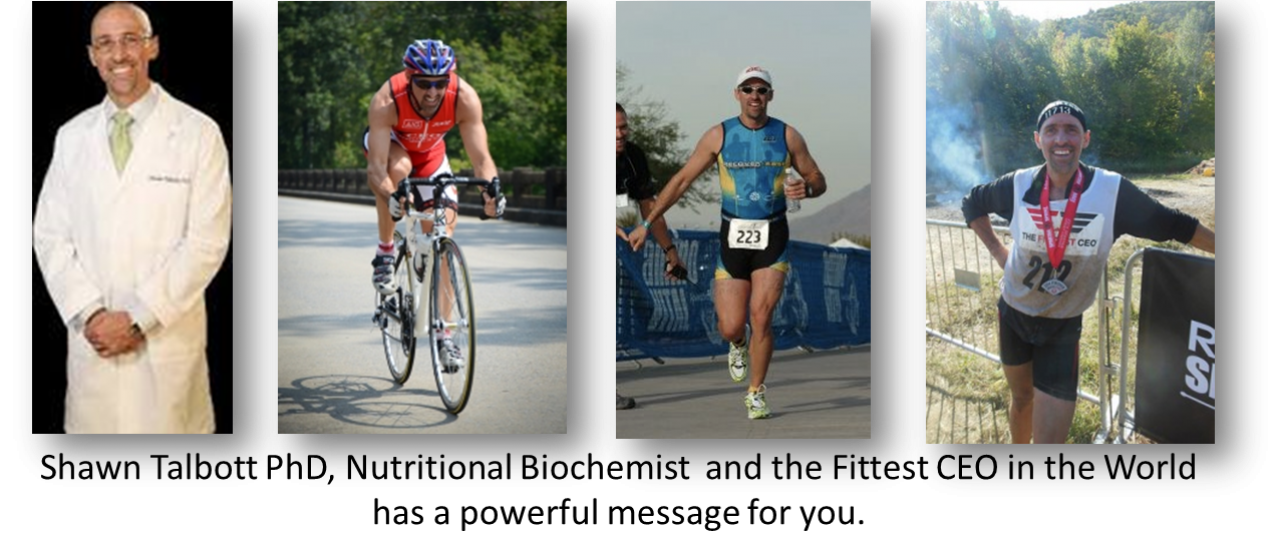
We know that free radical damage is a real and growing menace to our bodies, threatening our cells, DNA, tissues and organs with inflammation and degradation and leading to a host of chronic diseases, including cancer, chronic fatigue, diabetes, arthritis, and heart disease. But there’s great news! Exciting new research is also demonstrating how the human body protects itself by turning on its own built-in and ultra-powerful antioxidant defense systems. Best-selling author and researcher Shawn Talbott, PhD, teaches the protective actions of the Nrf2 pathways and how they represent the true solution to less illness, better health, and an enhanced level of vitality and wellness you never thought possible! You can find out more at this site:  http://www.shawntalbott.com